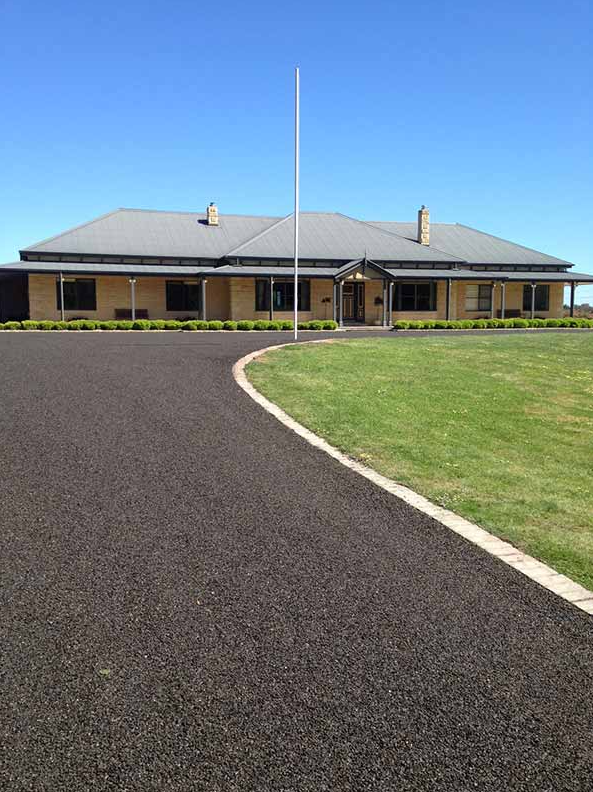
A hardstand provides a firm, stable surface for vehicles, machinery, equipment and general storage. Whether it is needed for a commercial property, an industrial site or a residential space, constructing a hardstand requires careful planning to ensure it can handle its intended use and remain in good condition over time.
Choosing the right surface is only one part of the process. Ground conditions, drainage, access requirements and the expected loads all influence the success of the finished installation. For property owners and businesses in Heatherton, VIC, understanding these factors before construction can help ensure the hardstand is practical, durable and suited to its surroundings.
Determine the Purpose of the Hardstand
The first consideration is how the hardstand will be used. A surface designed for occasional car parking will have different requirements from one intended to support heavy vehicles, machinery or frequent loading and unloading.
Consider the types of vehicles and equipment that will use the area, how often they will access it and whether they will remain stationary for extended periods. Heavy loads and repeated vehicle movements place greater demands on the surface and its foundations.
Having a clear understanding of the intended use helps determine the appropriate construction method, surface material and base preparation.
Assess the Existing Ground Conditions
The condition of the ground is one of the most important factors when planning a new hardstand. A surface may look level and firm initially, but underlying soil conditions can affect its stability once construction is complete.
Soft ground, poor compaction and inconsistent soil conditions can contribute to settlement, rutting and cracking. If the foundation moves beneath the finished surface, the hardstand may become uneven and less suitable for its intended purpose.
A proper site assessment helps identify whether excavation, ground improvement or additional base preparation is required before the surface is installed.
Choose a Suitable Surface Material
The most appropriate hardstand material depends on the expected use, site conditions and desired finish. Common options include:
- Tarmac: Provides a smooth, continuous surface suitable for many vehicle access and parking applications.
- Asphalt: Offers a durable finish that can be designed to accommodate regular vehicle movements.
- Concrete: Provides a firm surface that can be suitable for areas exposed to particular loading requirements.
- Compacted aggregate: Can be appropriate for certain storage and access areas where a finished paved surface is not essential.
Each material has different installation and maintenance requirements. The decision should be based on the demands of the site rather than appearance alone.
Plan Effective Drainage
Water management should be considered before construction begins. If rainwater collects on the hardstand or flows towards buildings, it can create ongoing maintenance problems and contribute to deterioration.
The finished surface should be designed with suitable levels and gradients to direct water towards appropriate drainage points. This helps prevent persistent puddles, waterlogging and erosion around the edges.
Drainage is particularly important for larger hardstands, where even small variations in surface levels can influence how water moves across the area. Planning this properly from the beginning helps protect both the surface and surrounding ground.
Consider Vehicle Access and Turning Space
A hardstand needs to accommodate more than the area where vehicles are parked. Access routes, turning circles, loading zones and entry points should all be considered during the planning stage.
Think about how vehicles will enter and leave the site, whether larger vehicles need additional manoeuvring room and how the hardstand will connect with existing driveways or access roads.
Insufficient space can make everyday operations difficult, even if the finished surface itself is strong and well constructed. A practical layout should allow vehicles to move safely and efficiently without placing unnecessary pressure on surrounding areas.
Ensure the Base Is Properly Prepared
The foundation beneath a hardstand is essential to its long-term performance. A suitable base helps distribute vehicle loads and provides support for the finished surface.
Construction may involve removing unsuitable material, preparing the subgrade, installing appropriate base layers and compacting them to achieve a stable foundation.
The depth and composition of the base should reflect the ground conditions and intended loading. Skipping preparation or relying on an inadequate foundation can lead to premature surface damage, regardless of the quality of the material used on top.
Consider the Surrounding Site
The proposed hardstand should work with the layout and practical requirements of the property. Existing buildings, drainage points, boundaries, service access and nearby surfaces can all influence the design.
In Heatherton, VIC, commercial and industrial properties may have particular requirements for vehicle movement, equipment storage and access between working areas. Considering these details early helps avoid an installation that interferes with normal site activities.
It is also worth thinking about how the hardstand may need to accommodate future changes in vehicle use or storage requirements.
Plan for Ongoing Maintenance
Even a professionally constructed hardstand requires occasional maintenance. The type of care needed will depend on the surface material and the amount of use it receives.
Regular inspections can help identify early signs of cracking, loose aggregate, surface wear or drainage problems. Addressing minor defects promptly can help prevent them from developing into more extensive deterioration.
Choosing a suitable material and ensuring the foundation is properly prepared from the outset can make ongoing maintenance more manageable.
Conclusion
Constructing a new hardstand involves more than selecting a surface material. Ground conditions, intended vehicle loads, drainage, access, foundation preparation and future maintenance all contribute to the quality and performance of the finished area.
For property owners and businesses in Heatherton, VIC, Heatherton Road Tech can help with professional hardstand construction tailored to the practical requirements of your site. Contact the team to discuss your project and find a suitable solution for your property.
Call us on: 03 9068 7895
Click here to find out more about Heatherton Road Tech
Click here to complete our contact form and see how we can help with your driveways.