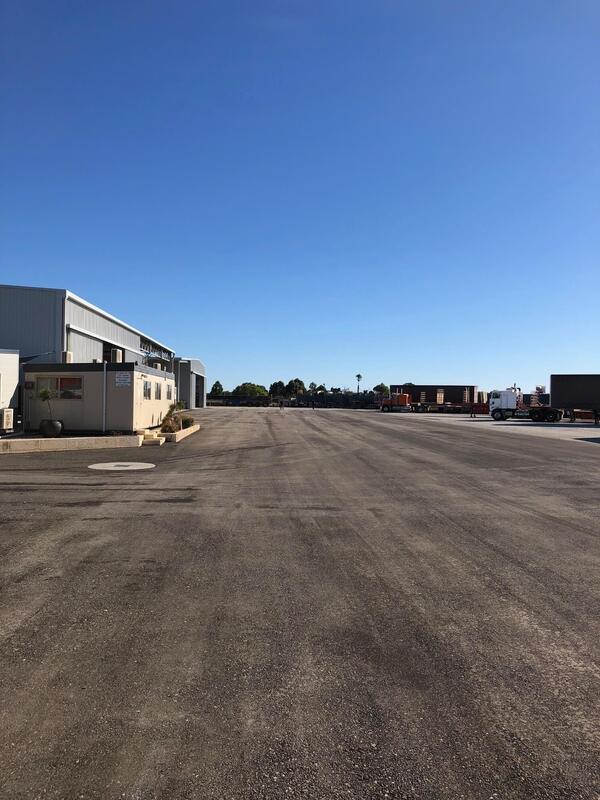
A well-built hardstand provides a stable, durable surface for parking heavy vehicles, storing equipment and carrying out regular loading or operational activities. Unlike a standard residential driveway, a hardstand must withstand greater loads, repeated vehicle movements and the demands of its intended use. Choosing the right surface and preparing the ground correctly are essential for long-term performance.
For businesses and property owners in Heatherton, VIC, hardstand construction should begin with a clear understanding of the vehicles, equipment and activities the area needs to support. The right design can help minimise surface deterioration, improve access and create a more practical outdoor working space.
Heatherton Road Tech can help property owners consider suitable driveway and hardstand surfacing options based on site conditions and intended use.
What Is Hardstand Construction?
Hardstand construction involves creating a firm, load-bearing surface for vehicles, machinery, equipment or outdoor storage. These areas are commonly used for commercial yards, vehicle parking, loading zones, equipment storage and access routes where ordinary paving may not provide sufficient strength.
A successful hardstand is about more than the visible surface. Its performance depends on the quality of the ground preparation, the strength and depth of the underlying layers, drainage and the suitability of the finished material.
If the foundation is poorly prepared, heavy loads can cause rutting, cracking, settlement or uneven sections. Selecting the right construction method from the beginning helps reduce these risks and supports a more reliable surface.
Factors to Consider Before Choosing a Hardstand Surface
The Weight and Type of Vehicles
The first consideration is the load the hardstand must carry. A space used for occasional car parking has very different requirements from one supporting delivery trucks, forklifts, trailers or heavy machinery.
Consider both the weight of the vehicles and how that weight is distributed. Repeated turning, braking and stationary loading can place additional stress on particular sections of the surface.
Sharing these details with your contractor helps determine the appropriate pavement design, base preparation and surfacing material for the intended use.
Ground Conditions and Sub-base Preparation
The ground beneath a hardstand plays a major role in its durability. Soft, uneven or poorly compacted soil can allow the surface to move under pressure, even when the top layer initially appears strong.
Site preparation may involve removing unsuitable material, establishing appropriate levels and installing and compacting suitable base layers. The depth and composition of these layers should reflect the ground conditions and expected loading.
A properly prepared sub-base helps distribute vehicle loads and provides a more stable foundation for the finished surface.
Drainage and Water Management
Water can significantly affect hardstand performance. If rainwater collects on the surface or penetrates weak points in the construction, it may contribute to erosion, softening beneath the pavement and premature deterioration.
A well-planned hardstand should direct water away from buildings, access points and vulnerable sections of the pavement. Suitable falls, drainage provisions and careful management of surface runoff should be considered during the design stage.
In Heatherton, VIC, assessing how the site handles rainfall is an important part of planning a durable outdoor surface.
Comparing Hardstand Surface Options
Asphalt Surfacing
Asphalt is a common option for vehicle access areas, parking spaces and commercial hardstands. When designed and installed correctly, it provides a relatively smooth, continuous surface that can accommodate regular traffic.
Its suitability for heavy vehicles depends on the pavement structure beneath it, the asphalt specification and the intensity of use. Adequate base preparation and compaction are particularly important where trucks or machinery will operate frequently.
Asphalt may be worth considering when a practical, uniform surface is required for regular vehicle movements.
Concrete Surfacing
Concrete can be suitable for hardstands exposed to substantial loads, stationary equipment and repeated heavy use. Its performance depends on factors such as slab thickness, concrete specification, reinforcement where required, joint placement and ground preparation.
Concrete can provide a firm surface for activities involving loading or equipment storage, but the design must account for the intended loads and site conditions. Poorly planned joints or inadequate support beneath the slab can contribute to cracking and movement.
A site assessment can help establish whether concrete is appropriate for the operational requirements.
Compacted Granular Surfaces
A compacted granular surface may suit certain storage areas, lower-intensity access routes or sites where a sealed pavement is not essential. Its performance depends on the material selected, the quality of compaction, drainage and the frequency and weight of vehicle movements.
Under repeated heavy traffic, granular surfaces may develop ruts, loose material or uneven areas if they are not designed and maintained appropriately. They may therefore be less suitable for some high-load operations.
The decision should reflect how the area will be used rather than relying on the surface material alone.
Why Professional Hardstand Construction Matters
Heavy-duty surfaces require careful coordination between ground preparation, pavement design, drainage and the finished material. A surface that looks solid may still fail prematurely if the underlying layers cannot support the expected loads.
Professional planning helps identify site limitations, establish appropriate levels and select a construction approach that suits the vehicles and equipment involved. It also helps ensure that access, turning areas and drainage are considered before installation begins.
For properties in Heatherton, VIC, working with an experienced contractor can help create a hardstand that is practical for daily operations and designed around the demands of the site.
Signs Your Existing Hardstand Needs Attention
An existing hardstand may need assessment if you notice recurring potholes, deep ruts, cracks, standing water or areas that appear to be sinking. These problems can indicate surface wear, drainage issues or weaknesses in the underlying foundation.
Simply patching visible damage may not resolve the underlying cause. Where deterioration repeatedly occurs in the same location, investigating the base and water management can help identify a more effective repair or reconstruction approach.
Addressing these issues early can help maintain safer vehicle access and reduce disruption to everyday activities.
Conclusion
Choosing the right hardstand surface for heavy vehicles and equipment requires careful consideration of loading requirements, ground conditions, drainage and the intended use of the area. Asphalt, concrete and compacted granular materials each have potential benefits, but their suitability depends on the design and quality of construction beneath the finished surface.
Heatherton Road Tech can help property owners in Heatherton, VIC, explore suitable surfacing options for their driveway or hardstand project. If you are planning a new heavy-duty surface or need to improve an existing one, get in touch to discuss your site requirements and the most appropriate next steps.
Call us on: 03 9068 7895
Click here to find out more about Heatherton Road Tech
Click here to complete our contact form and see how we can help with your driveways.